
West Virginia Hellbender Conservation Collaborative
An anonymous donor connected to Appalachia Rising contributed to this project.
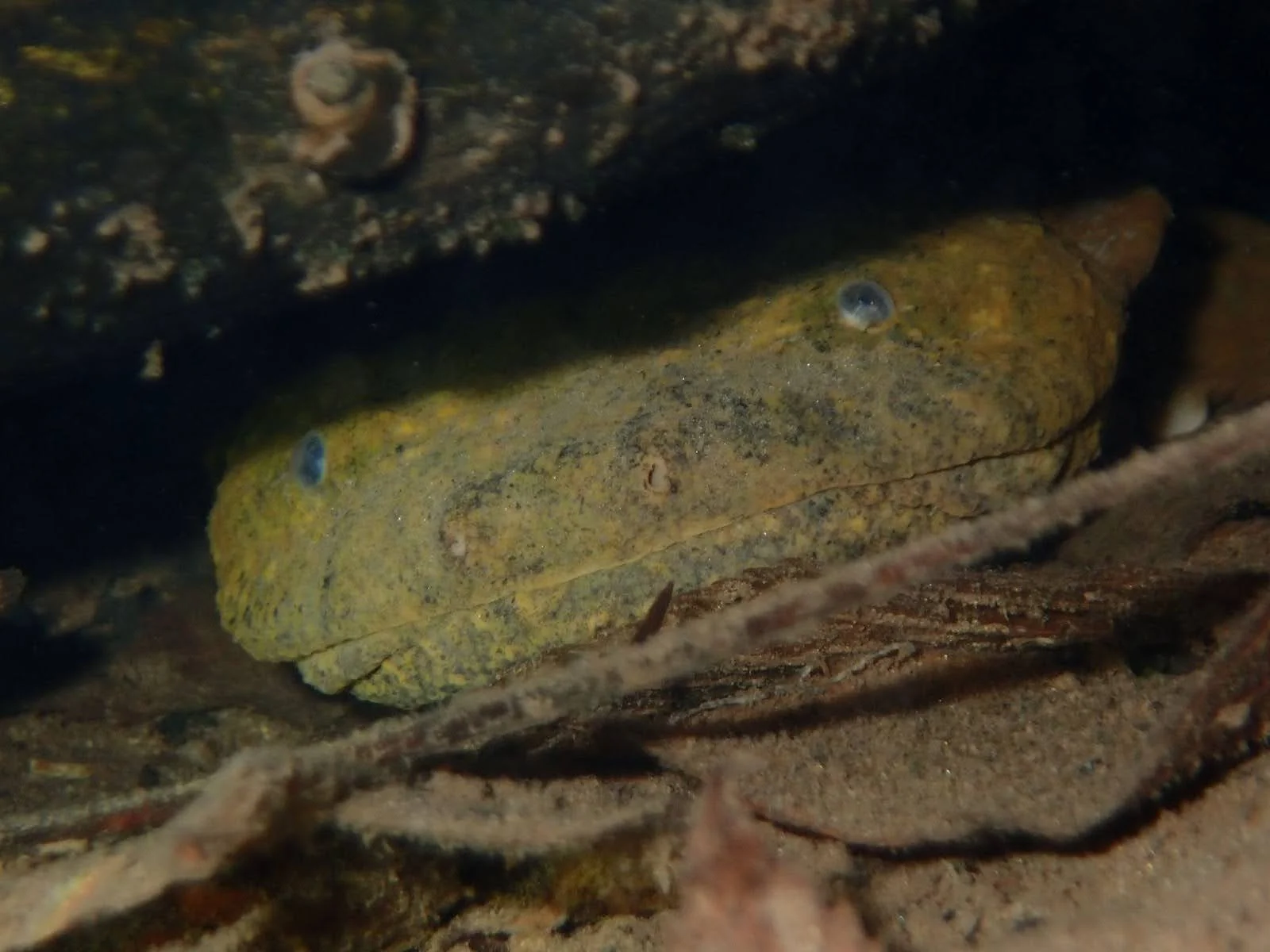
The West Virginia Hellbender Conservation Collaborative aims to restore critical aquatic habitat for the eastern hellbender (Cryptobranchus alleganiensis alleganiensis) through science-based restoration, climate-resilient strategies, and equitable community partnerships. By implementing 30 acres (5.4 stream miles) of riparian buffer restoration in the Cheat River watershed and standardizing long-term monitoring across multiple watersheds, this project supports biodiversity conservation, improves climate resilience, and promotes inclusive, community-led stewardship.
Hellbenders are a priority species in the West Virginia State Wildlife Action Plan and are considered Imperiled (S2) and Vulnerable (G3) due to habitat loss, sedimentation, and water quality degradation. In 2024, the species was proposed for listing under the Endangered Species Act. With an estimated 76% of historic populations extirpated or in decline, restoring and protecting viable habitat is urgent.
This initiative prioritizes building a strong scientific foundation to guide future conservation. FOC and partners will implement a three-tiered monitoring framework: snorkel surveys, borescope monitoring, and eDNA sampling. All methods are minimally invasive and scalable statewide. The resulting datasets will feed directly into the creation of a West Virginia Hellbender Strategic Plan (WVHSP), identifying priority areas for conservation, monitoring gaps, threats, and restoration opportunities.
By integrating science, restoration, and equity, this project will serve as a replicable model for amphibian conservation in the Central Appalachians—anchored in biodiversity protection, climate adaptation, and inclusive community engagement.