
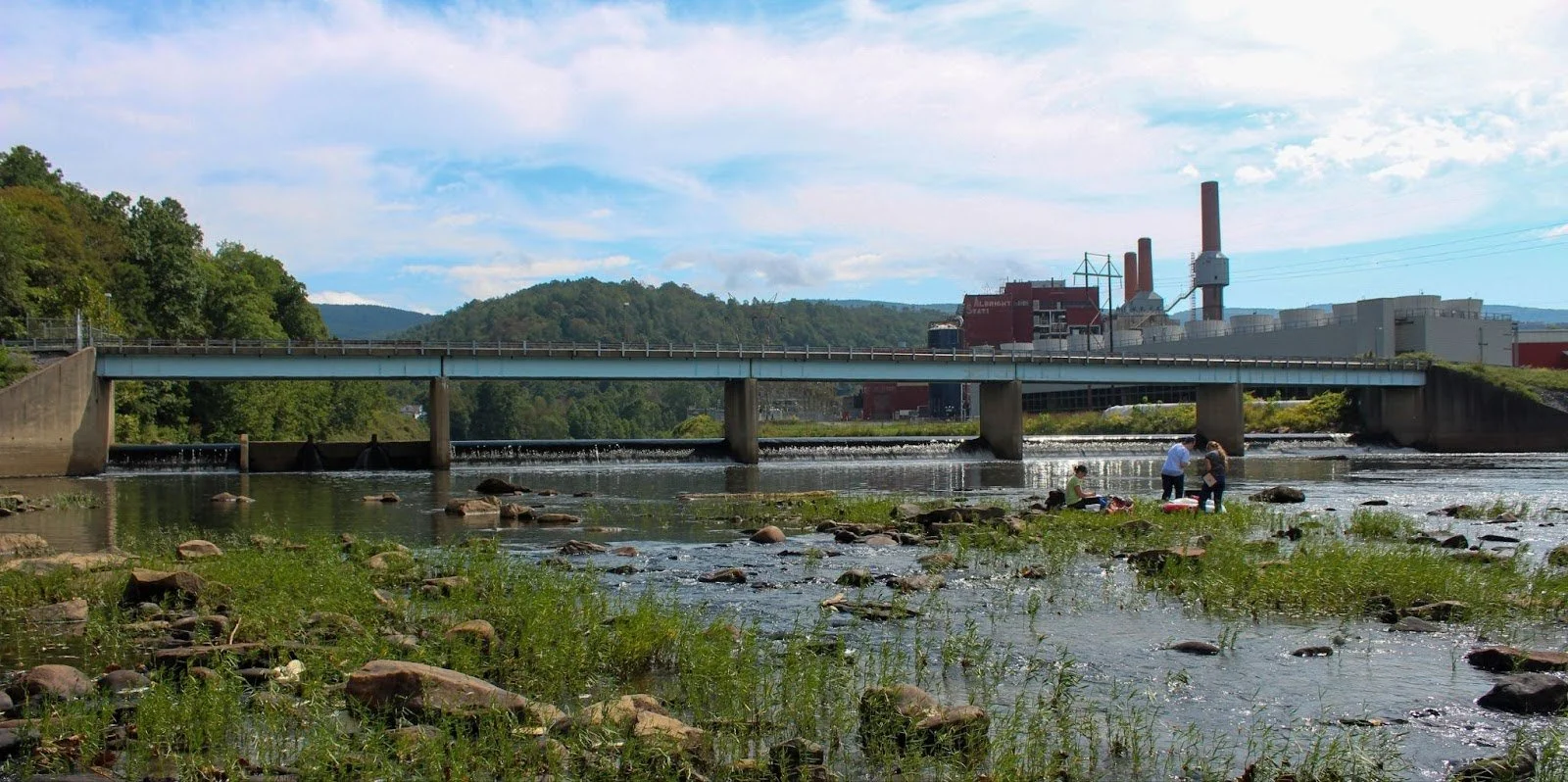
Albright Dam Removal on the Cheat River
Appalachia Rising contributed funds through an anonymous donor. More funds are required to complete this important effort.
The Albright Dam Removal on West Virginia's Cheat River—the state's largest dam removal project to date—will restore biodiversity, increase climate and flood resilience, and provide equitable access to natural resources. Removing this obsolete dam will reconnect 75 miles of the Cheat River and over 1,000 miles of tributaries, benefiting more than 40 fish and wildlife species while advancing economic and recreational opportunities for disadvantaged communities in Preston County.
The dam removal will restore passage for walleye, Eastern hellbender, freshwater mussels, and Eastern brook trout—many classified as Species of Greatest Conservation Need. The project will reconnect isolated brook trout populations, restore 1.25 miles of natural in-stream habitat, and reduce sedimentation. Dam removal supports restoration of eight native mussel species extirpated by early 20th-century pollution and improves conditions for the Eastern hellbender—North America's largest salamander, proposed for Endangered Species listing.
The dam impedes natural flow, increases water temperature, and decreases dissolved oxygen—compounding climate stress as the Cheat River faces increasingly intense weather extremes. Its removal will restore natural hydrology and reduce vulnerability to drought and flooding. A 2021 NASA study identified high flood risk in the Albright area; removal will enhance flood resilience for the downstream town of Albright.
Furthermore, an economic impact study estimates the project could generate $5–$7.8 million in regional spending during the 18-month removal and create or sustain 30 jobs. Long-term benefits include increased tourism and new business opportunities, demonstrating how environmental restoration can catalyze ecological recovery and community revitalization.